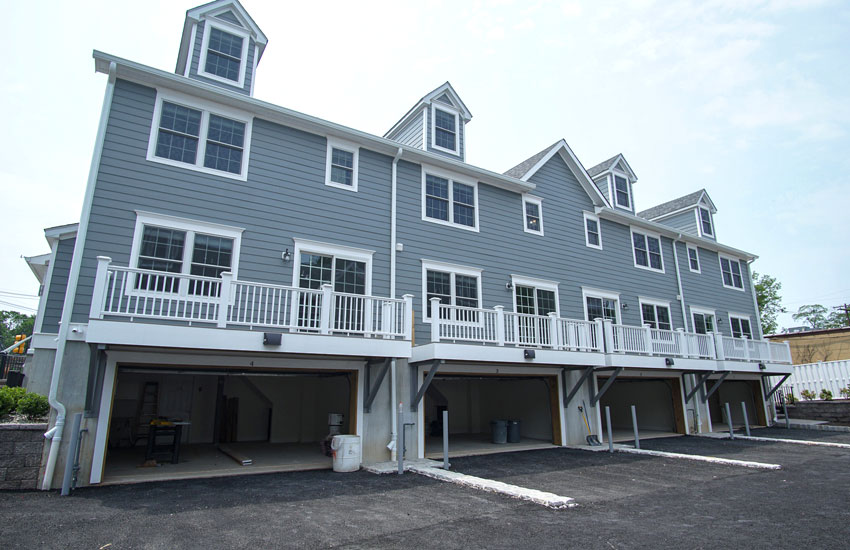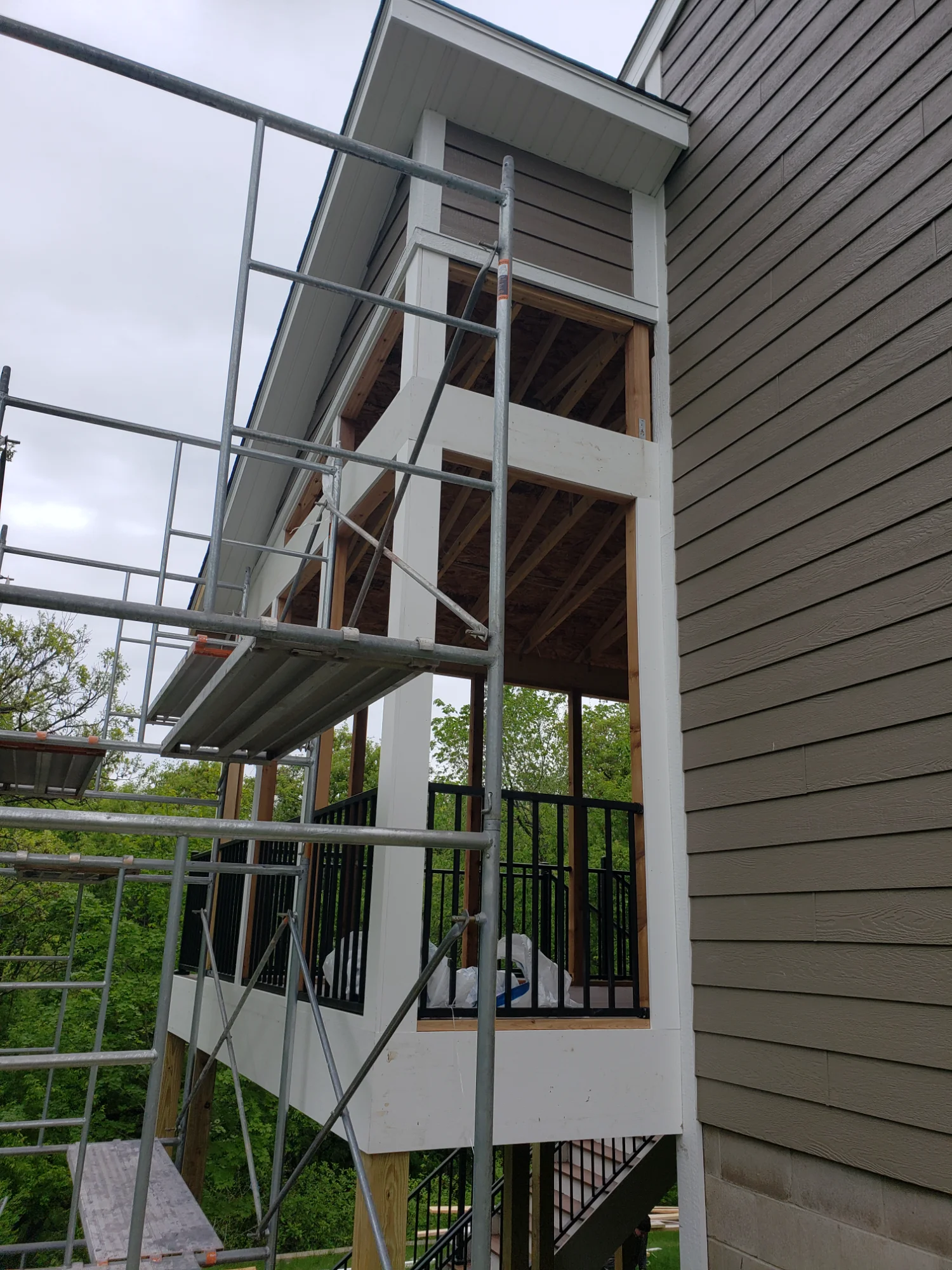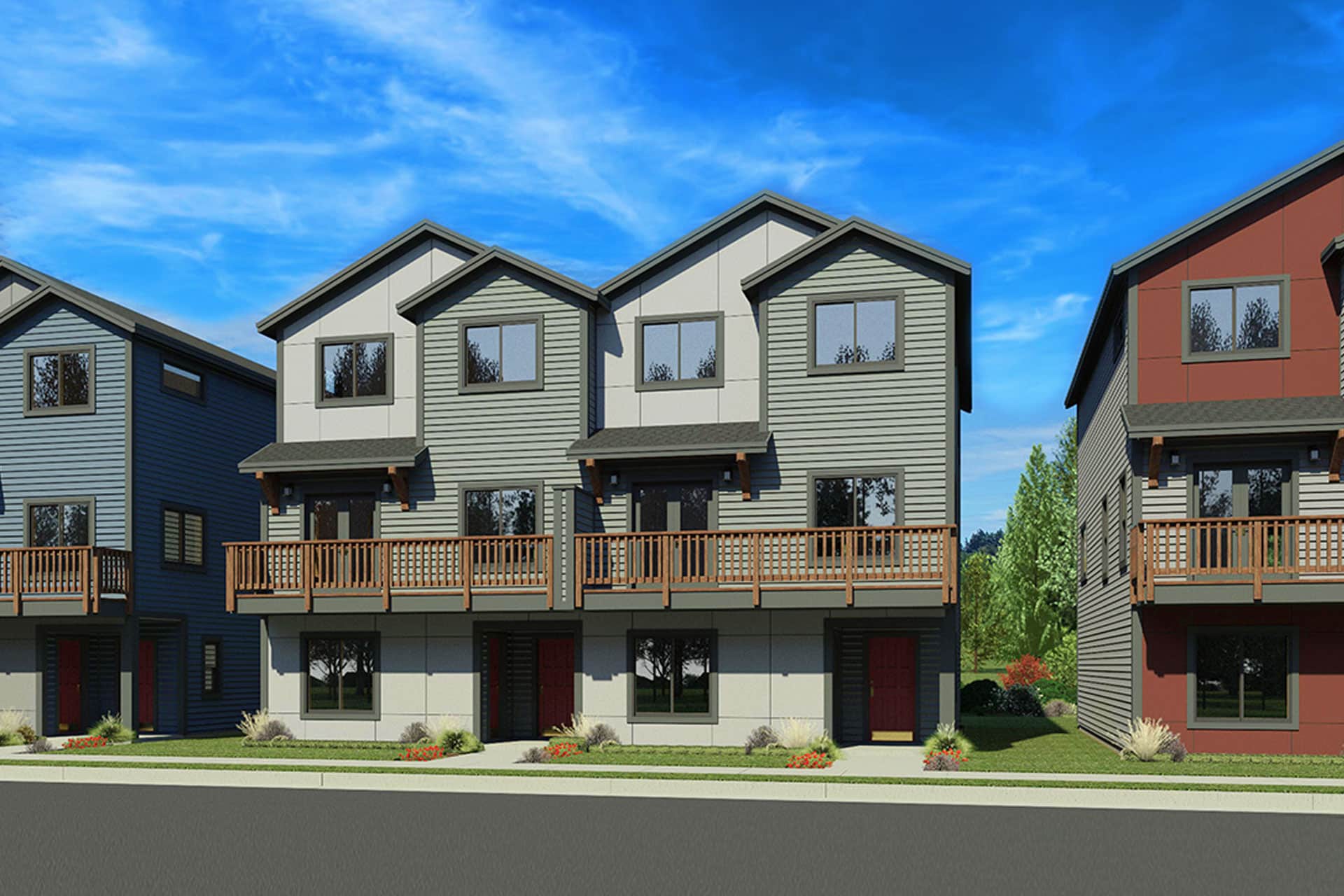
Commercial and multi-family deck construction requires adherence to stricter building codes than residential projects. Understanding these requirements helps developers and property managers plan projects effectively.
Code Differences from Residential
Commercial projects follow the International Building Code (IBC) rather than the International Residential Code (IRC). Key differences: - Higher load requirements - Stricter railing specifications - Fire-resistance requirements - Accessibility standards - More rigorous inspection schedules
Railing Requirements
Commercial railings must meet specific criteria: - 42-inch minimum height (vs. 36" residential) - 4-inch maximum baluster spacing - Intermediate rails to prevent climbing - Load testing requirements - Graspable handrail profiles
Fire Resistance
Multi-family buildings may require: - Fire-retardant treated lumber - Specific material certifications - Sprinkler considerations for covered decks - Separation distances between units
Accessibility
ADA requirements affect commercial deck design: - Maximum 2% cross-slope - Maximum 5% running slope without ramp - Ramp requirements if elevation change exceeds 6" - Handrail specifications for ramps - Landing size requirements
Dream Decks handles commercial deck projects throughout Minnesota. We understand the code requirements and work with inspectors to ensure compliant construction.
Ready to Start Your Project?
Dream Decks provides free consultations for deck projects throughout the Minneapolis–Saint Paul metro area.